Introduction: The Hottest Months Are Coming
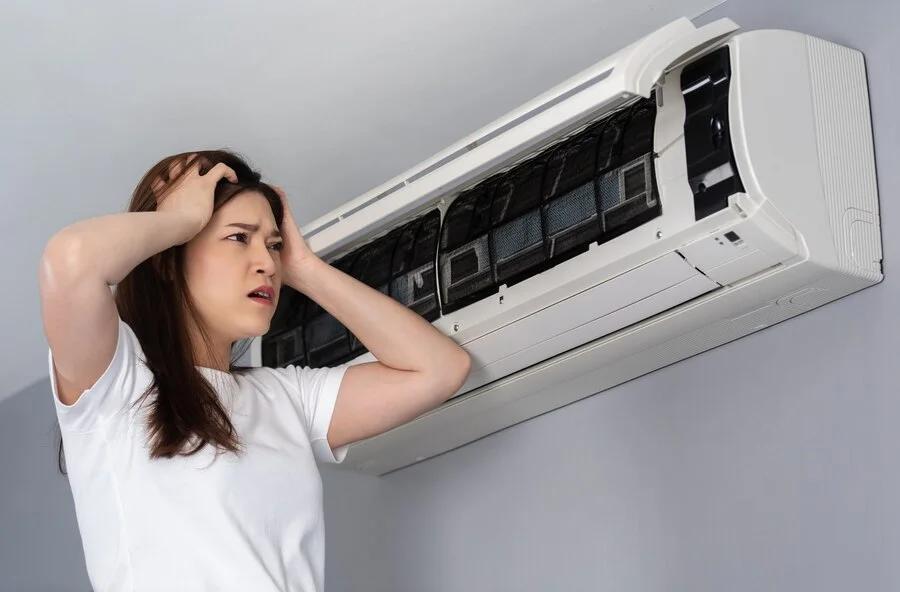
March and April in Malaysia don’t just feel hot — they feel relentless. You wake up sweating. The afternoon sun feels sharper. Even at night, the air seems heavy and stubbornly warm. And that’s usually when homeowners start asking the same frustrated question: “Why is my aircond not cold anymore?”
You lower the temperature to 18°C. You wait. The fan blows. But the room still feels warm. Sticky. Uncomfortable.
Here’s the truth: your aircond didn’t suddenly become “weak.” It’s just being pushed into one of the toughest operating periods of the year.
March and April are peak pre-monsoon heat months. Outdoor temperatures spike. Humidity climbs. Sun exposure increases. And your air conditioner? It’s fighting an uphill battle against nature.
Think of it like trying to cool a car parked under the sun all afternoon. Even with the aircond blasting, it takes time. Now imagine your house absorbing heat all day long.
In this article, we’re going to break down exactly why your aircond struggles during March and April, what’s happening inside the system, and what you can do to fix it before it turns into a costly breakdown.
Let’s dig in.
March–April Weather in Malaysia: What Changes?
March and April mark the inter-monsoon period in Malaysia. That means less rain, clearer skies, and stronger direct sunlight. On paper, it doesn’t sound dramatic. But in reality, it changes everything.
During these months:
- Daytime temperatures can exceed 34–36°C.
- Concrete and rooftops absorb more heat.
- Night temperatures remain high.
- Humidity levels fluctuate unpredictably.
Unlike rainy seasons where clouds block sunlight, March–April skies are often bright and cloudless. That means more solar radiation hitting your roof and walls for longer hours.
Your home essentially becomes a heat sponge.
Walls store heat throughout the day and slowly release it into the evening. So even when the sun sets, indoor temperatures don’t drop quickly.
This is why your aircond feels like it’s running non-stop but never quite achieving that icy-cool feeling.
And here’s the key point: air conditioners don’t create cold air. They remove heat from indoor air. When there’s significantly more heat entering your home, your aircond has to remove more than usual.
That’s like trying to empty a bathtub while someone keeps turning the tap on full blast.
Extreme Heat and Rising Ambient Temperatures
Your aircond’s performance depends heavily on outdoor temperature — especially the outdoor condenser unit.
Here’s something most people don’t realize: the hotter it is outside, the harder your aircond has to work.
The outdoor unit releases heat extracted from your home. But if the air outside is already extremely hot, heat transfer becomes less efficient.
Think about it this way:
- On a 28°C day, your condenser releases heat into relatively cooler air.
- On a 36°C day, it’s releasing heat into already hot air.
That makes the compressor work harder to maintain cooling performance.
When compressors work harder:
- Energy consumption increases.
- Internal pressure rises.
- Cooling capacity slightly drops.
- Wear and tear accelerate.
So if your aircond feels less cold in March and April, it’s not necessarily broken. It’s just operating under more extreme conditions.
However, if your system already has minor issues, extreme heat exposes them quickly.
High Humidity: The Hidden Cooling Killer
Temperature is only half the story. Humidity is the silent troublemaker.
High humidity makes air feel warmer than it actually is. That’s why 30°C with high humidity feels more uncomfortable than 32°C with dry air.
Air conditioners don’t just cool air — they remove moisture from it. During humid months, your unit works double duty:
- Remove heat.
- Remove moisture.
This extra workload reduces overall cooling speed.
If your aircond is slightly dirty or low on refrigerant, humidity removal becomes less efficient. The room may reach the set temperature, but it still feels sticky.
And when people feel sticky, they lower the temperature further.
That creates a vicious cycle:
Lower temperature → Longer compressor run time → Higher energy usage → More strain.
Humidity is like invisible weight on your aircond’s shoulders.
Your Aircond Is Working Harder Than You Think
Let’s be honest. Most homeowners only notice their aircond when something feels wrong.
But inside the system, a lot is happening.
During March–April, your unit may:
- Run longer cooling cycles.
- Experience higher refrigerant pressure.
- Accumulate condensation faster.
- Face increased electrical load.
Even if it’s still functioning, the strain builds quietly.
If your unit is older than 7–10 years, performance naturally declines slightly over time. Combine aging components with extreme weather, and suddenly the cooling gap becomes noticeable.
It’s not that your aircond “gave up.” It’s that conditions changed dramatically.
And small inefficiencies that went unnoticed before now become obvious.
Dirty Filters: The Most Common Culprit
Now let’s talk about the simplest — and most overlooked — issue: dirty filters.
Air filters trap dust, debris, and airborne particles. Over time, they clog up. When airflow becomes restricted, cooling efficiency drops significantly.
Imagine trying to breathe through a thick scarf wrapped around your face. That’s what your aircond experiences with dirty filters.
Restricted airflow causes:
- Weak air output.
- Uneven cooling.
- Frozen coils.
- Increased electricity bills.
During hot months, restricted airflow becomes even more problematic because your unit already needs maximum airflow to cool efficiently.
The good news? This is easy to fix.
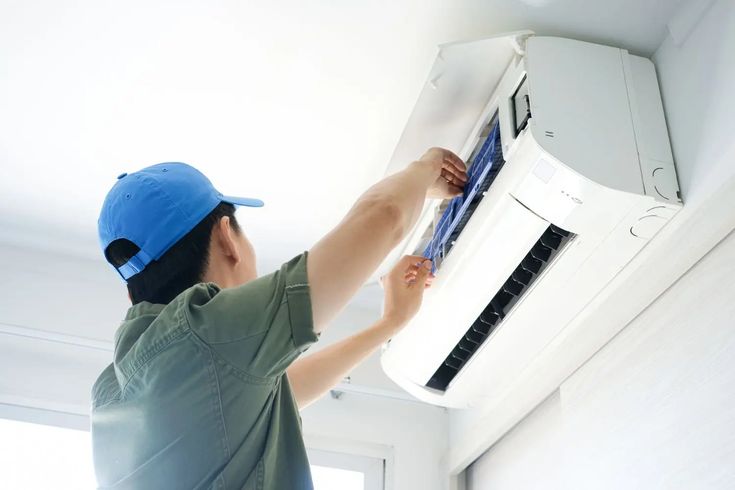
Cleaning filters every 2–4 weeks during peak heat season can dramatically improve cooling performance.
Yet many households forget this basic step.
Sometimes, your aircond isn’t weak. It’s just suffocating.
Low Refrigerant Levels and Cooling Loss
Refrigerant is the lifeblood of your aircond. Without enough of it, heat absorption becomes inefficient.
Low refrigerant levels usually happen due to small leaks over time. And here’s the tricky part: you may not notice it immediately.
Signs of low refrigerant include:
- Air blowing but not cold.
- Ice forming on indoor coils.
- Hissing sounds.
- Longer cooling times.
During mild weather, slight refrigerant loss might not feel dramatic. But during March–April heatwaves, the deficiency becomes obvious.
Your system struggles. It runs continuously. But the cooling never quite satisfies.
Refrigerant issues cannot be solved by topping up alone. The leak must be identified and fixed professionally.
Ignoring it can damage the compressor — and that’s one of the most expensive components to replace.
Outdoor Unit Overheating Under Direct Sunlight
Let’s step outside for a moment. When was the last time you looked at your outdoor unit?
In March and April, the sun feels harsher. If your condenser unit is installed on a west-facing wall or directly exposed to afternoon sunlight, it absorbs intense heat for hours.
Now think about this: that unit’s job is to release heat from your home. But if it’s sitting in a pocket of trapped hot air, how efficiently can it really do that?
When the outdoor unit overheats:
- The compressor runs under higher pressure.
- Cooling efficiency drops.
- The system may shut down temporarily to protect itself.
- Lifespan shortens significantly.
It’s like trying to cool yourself down while standing in the middle of a sauna. You’re fighting a losing battle.
Sometimes the solution is surprisingly simple:
- Ensure proper ventilation around the outdoor unit.
- Remove debris, dry leaves, or objects blocking airflow.
- Install a shade cover (without blocking airflow).
- Make sure there’s at least 1–2 feet of open space around the condenser.
Many homeowners forget that the outdoor unit is just as important as the indoor one. If it’s overheating, your entire cooling system suffers.
And during March–April, outdoor heat is at its most unforgiving.
Thermostat Misuse and Unrealistic Settings
Be honest — when your room feels hot, what’s the first thing you do?
You grab the remote and drop the temperature to 16°C.
It feels logical, right? Lower setting = faster cooling.
But here’s the reality: air conditioners cool at a fixed rate. Setting it to 16°C doesn’t make it cool faster than 24°C. It just forces the unit to run longer without stopping.
During extreme heat months, setting unrealistic temperatures creates unnecessary stress on the compressor.
Instead of reaching 16°C (which may be impossible during peak heat), the system runs continuously, building internal pressure and consuming more electricity.
The ideal setting in Malaysia’s climate is usually between 24°C and 26°C.
Pair that with fan mode or a ceiling fan for better air circulation, and you’ll feel cooler without overloading the unit.
Think of your thermostat like a marathon strategy. Pace matters. Sprinting from the start only exhausts you faster.
Poor Insulation and Heat Leakage in Homes
Sometimes the problem isn’t your aircond at all.
It’s your house.
During March and April, heat seeps in through:
- Thin walls.
- Poorly insulated ceilings.
- Large glass windows.
- Gaps around doors.
- Unsealed window frames.
If your home absorbs and retains heat, your aircond constantly battles incoming warmth.
Ever noticed certain rooms cool faster than others? That’s usually due to insulation differences.
Simple improvements can make a big difference:
- Use blackout curtains.
- Install reflective window films.
- Seal door gaps.
- Avoid opening doors frequently during peak heat hours.
Even small air leaks allow hot air to enter continuously.
Your aircond might be performing fine — but your house is leaking cool air like a bucket with holes.
Old or Undersized Aircond Units
Let’s talk capacity.
Every aircond is rated for a specific room size. If your unit is undersized, it will struggle constantly — especially during the hottest months.
For example:
- A 1.0HP unit may be suitable for a small bedroom.
- A 1.5HP or 2.0HP unit may be needed for larger living rooms.
If renovations were done, walls removed, or ceiling height increased, your old unit might no longer match the room size.
During mild weather, it may cope. But in March–April heat, its limitations become obvious.
Older units also lose efficiency over time. After 8–10 years, cooling performance can decline noticeably, even with maintenance.
Sometimes the hard truth is this: your aircond isn’t failing — it’s outdated.
Upgrading to a modern inverter system can improve efficiency dramatically, especially during extreme weather.
Electrical Stress During Peak Heat Season
When temperatures soar, electricity demand increases across neighborhoods.
More airconds running. More fans. More appliances.
Voltage fluctuations become more common during peak hours.
Air conditioners rely heavily on stable electrical supply. Sudden voltage drops or surges can:
- Damage circuit boards.
- Burn capacitors.
- Cause compressor failure.
- Trigger system shutdown.
You may notice:
- Unit turning off randomly.
- Delayed startup.
- Flickering lights when compressor kicks in.
Repeated electrical stress weakens components slowly.
Installing a voltage stabilizer or surge protector can provide added protection — especially in areas with unstable supply.
Electrical stress is often invisible, but it’s a silent contributor to cooling issues during hot months.
Warning Signs Your Aircond Is About to Fail
March–April heat exposes weaknesses quickly. Watch for these warning signs:
- Air isn’t as cold as before.
- Cooling takes much longer.
- Water leaking from indoor unit.
- Unusual noises (buzzing, rattling, clicking).
- Frequent on-off cycling.
- Higher electricity bills.
Ignoring these signs can lead to complete breakdown during peak heat — when technician availability becomes limited and repair costs rise.
Catching issues early prevents expensive repairs later.
How Preventive Servicing Saves You Money
Preventive servicing isn’t just about cleaning filters.
A full professional service includes:
- Checking refrigerant pressure.
- Cleaning evaporator and condenser coils.
- Clearing drainage pipes.
- Inspecting electrical components.
- Testing airflow efficiency.
When your system runs efficiently:
- Electricity bills decrease.
- Cooling improves.
- Lifespan extends.
- Breakdowns become less likely.
Spending a small amount on servicing now prevents major compressor replacement later.
It’s like regular health check-ups. Prevention always costs less than emergency surgery.
Why March–April Is the Best Time to Service
Many homeowners wait until the aircond completely fails before calling for help.
But March and April are actually the most strategic months for servicing.
Why?
Because:
- Heat exposes hidden problems early.
- Fixing minor issues now prevents peak-season emergencies.
- Technicians can optimize performance for upcoming hotter weeks.
Waiting until May or June — when demand skyrockets — may result in longer waiting times.
Smart homeowners act before the crisis.
How JB Cool Care Helps Johor Bahru Stay Cool
If you’re in Johor Bahru, JB Cool Care understands exactly how brutal March–April heat can be.
They’ve handled countless cases where homeowners thought their aircond was “spoiled,” only to discover simple maintenance issues were the cause.
At jbcoolcare.com, you can book professional servicing that includes:
- Thorough cleaning.
- Gas pressure checks.
- System diagnostics.
- Honest advice on whether repair or replacement is better.
Local expertise matters. Climate conditions in Johor Bahru are unique, and experienced technicians know what to look for during peak heat months.
Instead of guessing, get clarity from professionals who deal with this daily.
Conclusion: Don’t Wait Until It Stops Completely
If your aircond can’t keep up in March–April, it’s not random.
Extreme heat. High humidity. Electrical stress. Dirty filters. Low refrigerant. Poor insulation. Aging components.
All of these factors combine during the hottest months of the year.
The key is simple:
Don’t panic.
Don’t ignore the signs.
Don’t wait for total breakdown.
Small improvements and timely servicing can restore cooling performance dramatically.
Because in Malaysia’s March–April heat, a struggling aircond isn’t just uncomfortable — it’s exhausting.
Stay ahead of the heat. Stay prepared.
FAQs
1. Why does my aircond feel less cold in March and April?
Higher outdoor temperatures and humidity reduce cooling efficiency, making the unit work harder.
2. Is it normal for my aircond to run longer during hot months?
Yes, but continuous non-stop operation may indicate maintenance issues.
3. How often should I service my aircond in Malaysia?
At least every 6 months, or more frequently during heavy usage periods.
4. Does setting the temperature lower cool faster?
No. It only makes the unit run longer without speeding up cooling.
5. Where can I book reliable aircond servicing in Johor Bahru?
Visit jbcoolcare.com to schedule professional servicing with JB Cool Care.
Please don’t forget to leave a review.