Introduction: Why Energy Efficiency Matters in KL & Selangor Offices
In Kuala Lumpur and Selangor, commercial buildings and offices rely heavily on air conditioning to maintain comfortable indoor environments year-round. However, this comfort comes with a cost: electricity bills that can make up a significant portion of monthly operational expenses.
Rising utility costs, coupled with environmental concerns and the natural challenges of Malaysia’s hot, humid climate, make energy efficiency a critical focus for office managers, business owners, and facilities teams.
Air conditioning systems are among the largest energy consumers in office spaces. When they run inefficiently, they can waste electricity, increase operational costs, and contribute to unnecessary carbon emissions. But there’s good news: with smart usage, proper settings, and routine maintenance, you can significantly reduce energy consumption without sacrificing occupant comfort.
This guide by JB Cool Care Aircond Service covers practical, effective energy-saving tips specifically for office air conditioning systems in Kuala Lumpur and Selangor — helping you cut costs, protect equipment, and create a more sustainable workplace.
1. Choose the Right Temperature Settings for Offices
Setting the thermostat too low is one of the most common causes of high energy consumption.
Recommended Range: 24°C – 26°C
- Keep the thermostat between 24°C and 26°C — ideal for both comfort and efficiency.
- Lower temperatures (e.g., 20–22°C) dramatically increase energy use with little additional benefit in perceived comfort.
A moderate, consistent cooling target reduces compressor workload and can cut energy usage significantly over time.
2. Use Inverter Technology for Better Efficiency
Why Inverter Airconds Are Energy Savers
Traditional non-inverter systems run at full capacity until the target temperature is reached, and then shut off — leading to frequent on/off cycles that waste energy.
Inverter air conditioners, by contrast:
✔ Adjust compressor speed gradually
✔ Maintain steady temperature without constant cycling
✔ Use less power over time
✔ Increase comfort stability
For office environments with varied occupancy and long operating hours, inverter systems are ideal.
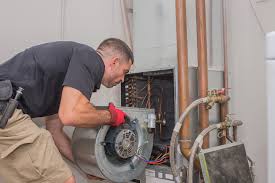
3. Regular Maintenance Is an Energy-Saving Strategy
Routine servicing isn’t just about avoiding breakdowns — it’s about keeping systems efficient.
Regular Maintenance Should Include:
- Filter cleaning or replacement – Prevents dust buildup that restricts airflow
- Coil cleaning – Maintains heat transfer efficiency
- Drain line clearing – Prevents water backup and humidity issues
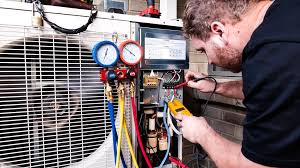
- Refrigerant checks – Ensures proper cooling
- Fan and motor inspections – Keeps airflow smooth and efficient
Dirty filters and coils force the system to work harder, using more energy for the same cooling output.
JB Cool Care Aircond Service recommends servicing office aircons at least every 3–6 months in KL & Selangor’s humid climate.
4. Improve Office Insulation and Sealing
Energy isn’t just about the AC unit itself — it’s about keeping cool air inside the building.
Seal and Insulate:
✔ Weather-strip doors and windows
✔ Seal gaps around access points and vents
✔ Use curtains or blinds on sun-exposed windows
Every gap lets cool air escape and warm air enter, forcing airconds to run longer and harder.
5. Use Zoning and Smart Temperature Controls
Not all office areas need the same level of cooling — especially during off-peak hours.
Smart Energy Controls Can:
- Adjust temperature based on occupancy
- Reduce cooling in unused spaces
- Schedule cooling during office hours only
Modern aircond systems with zoning or smart thermostats help balance comfort and cost, ensuring cooling is applied where and when it’s needed.
6. Encourage Smart Office Habits
Energy-saving strategies work best when they’re part of a broader culture of awareness.
Good Office Cooling Habits Include:
✔ Keeping doors and windows closed when the AC is on
✔ Avoiding placing heat-producing equipment near thermostat sensors
✔ Encouraging staff to dress appropriately for an air-conditioned environment
✔ Turning off AC at night or during non-business hours (if safe to do so)
These habits prevent unnecessary cooling and help optimize system performance.
7. Optimize Fan Speed and Airflow Direction
Selecting the right fan speed and airflow patterns can improve comfort without dropping the temperature.
Airflow Tips:
- Medium fan speeds create stable cooling without overworking the fan motor
- Direct airflow upward or toward walls for even distribution
- Avoid pointing cold air directly at occupants, which often leads to lower temperature settings and higher energy use
Well-balanced airflow promotes efficient circulation and reduces hot spots, so the system doesn’t have to run as intensively.
8. Use “Economy” and “Dry” Modes Wisely
Most modern air conditioning units have multiple operating modes.
Economy Mode
✔ Lowers maximum compressor output
✔ Saves energy while maintaining comfort
Dry Mode
✔ Reduces humidity without heavy cooling
✔ Particularly useful during muggy or rainy days in Kuala Lumpur and Selangor
These modes help optimize energy use while balancing thermal comfort and humidity control.
9. Consider Upgrading Older Units
Older aircond systems can be major energy drains due to outdated technology, wear and tear, and reduced efficiency.
Benefits of Upgrading to Modern Systems:
✔ Higher SEER and energy efficiency ratings
✔ Better compressor and fan technology
✔ Smart controls and zoning support
✔ Longer service life
If your office units are over 8–10 years old, an upgrade may provide rapid energy savings and improved performance.
10. Monitor and Track Energy Usage
Understanding usage patterns enables smarter decisions.
How Monitoring Helps:
- Identifies peak usage times
- Tracks patterns of waste (e.g., cooling empty spaces)
- Highlights inefficiencies in system operation
- Provides data for continuous improvement
Energy monitoring systems or smart meters can integrate with your HVAC controls for real-time insight.
11. Insulate Rooftop and Exposed Ductwork
Many commercial systems place condensers and ductwork in sun-exposed areas.
Simple Improvements Include:
✔ Shielding outdoor units from direct sunlight
✔ Insulating ductwork
✔ Providing shade or shading structures
Energy can be saved by cooling only occupied areas.
These steps reduce heat exposure and allow the system to operate more efficiently.
12. Use Motion Sensors and Scheduling Tools
Motion Sensor + Scheduling Benefits:
✔ Reduces cooling when zones are empty
✔ Automates temperature adjustments during breaks or non-peak hours
✔ Saves energy without manual intervention
In shared office layouts, this strategy helps avoid wasting energy on unoccupied zones.
13. Encourage Staff Engagement and Awareness
An energy-efficient office is also about people.
Ways to Involve Your Team:
- Share cooling usage policies
- Remind staff to close doors when AC is running
- Encourage feedback on comfort and temperature settings
- Reward energy-saving ideas
Engaging employees promotes collective ownership of energy costs — and habits that save money.
14. Plan for Peak Load Management
KL & Selangor experience peak heat during midday and early evening.
Peak Load Tips:
✔ Pre-cool rooms before peak hours
✔ Reduce cooling after business hours
✔ Use fans to support airflow and reduce overall cooling demand
Balancing energy use with peak demand improves comfort and reduces spikes in electricity bills.
15. Schedule Preventive Maintenance With Professionals
Reactive maintenance leads to inefficient systems and higher energy use. On the other hand, proactive preventive maintenance ensures systems run cleanly and efficiently throughout their lifespan.
Professional Servicing Includes:
- Filter cleaning or replacement
- Coil and condenser washing
- Refrigerant optimization
- Drain unclogging and sanitization
- Electrical component checks
- Performance tuning
JB Cool Care Aircond Service offers tailored preventive maintenance plans designed for commercial use in Malaysia’s humid climate — keeping office airconds efficient and reliable while reducing long-term energy costs.
16. Use Professional Installation and System Design
Energy savings start at the design and installation stage.
Installation Considerations:
- Proper sizing (not too big, not too small)
- Correct placement of indoor and outdoor units
- Adequate ducting and airflow paths
- Matching unit capacity to office layout and heat load
Poor installation leads to hotspots, excessive cycling, and wasted energy. Professional installation ensures optimized performance from day one.
17. Leverage Smart Features and Automation
Modern aircons and smart building management systems unlock energy savings:
✔ App control and remote scheduling
✔ Adaptive temperature adjustments
✔ Real-time performance data
✔ Integration with lighting and occupancy sensors
These smart features allow offices to reduce energy use without sacrificing comfort or convenience.
18. Evaluate HVAC and Building Envelope Together
Energy performance isn’t just about the aircond — it’s about how the building works as a system.
Key Areas to Evaluate:
- Roof and wall insulation
- Window glazing and shading
- Door seals and gaps
- Heat sources like lighting, computers, and equipment
A well-insulated structure supports cooling systems’ efficiency and reduces energy demand.
19. Consider Supplemental Solutions Like Ceiling Fans
Ceiling fans are an inexpensive way to enhance perceived comfort. They improve air circulation and allow you to:
✔ Raise thermostat settings without sacrificing comfort
✔ Reduce cooling demand
✔ Keep airflow steady in occupied zones
Used with air conditioning, fans can dramatically reduce energy consumption.
20. Regular Performance Audits
Regular audits assess:
- Cooling output
- Energy use patterns
- System inefficiencies
- Areas for improvement
Performance audits keep your office aircond system in optimal health throughout the year and help identify savings opportunities over time.
Conclusion: Smarter Cooling for Kuala Lumpur & Selangor Offices
Managing energy use in office air conditioning — especially in hot, humid climates like Kuala Lumpur and Selangor — is a balancing act. But with smart practices, professional servicing, and energy-aware policies, offices can maintain cool comfort without unnecessary energy waste.
Key takeaways:
✔ Aim for 24°C–26°C temperatures
✔ Use inverter units
✔ Maintain systems regularly
✔ Improve insulation and sealing
✔ Practice smart scheduling and monitoring
✔ Engage staff in energy-saving habits
✔ Leverage smart technology and zoning
At JB Cool Care Aircond Service, we understand the challenges Malaysian offices face. Our professional servicing, preventive maintenance programs, and energy-efficiency advice help businesses stay cool, save money, and protect their air-conditioning investments.
Efficient cooling isn’t just comfortable — it’s smart business.